
Medical Negligence Case: Central Aflao Hospital Fined GH¢5,000 for Late Amendment
 Abena Osei
3 min read
Abena Osei
3 min read
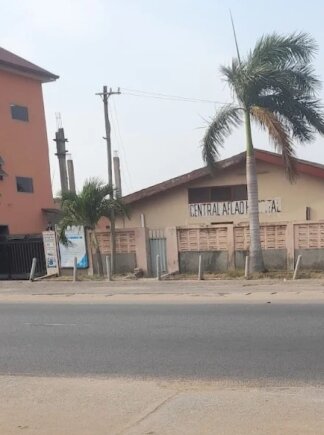
The Ho High Court, presided over by Justice Rosemarie Afua Asante, has ordered Central Aflao Hospital to pay GH¢5,000 in legal costs after the hospital sought to amend its statement of defence late in a medical negligence lawsuit. The case was brought by the family of Linda Adua, a 39-year-old caterer who died in April 2023 after allegedly being denied treatment at the hospital. The court granted the hospital’s request to amend its defence but imposed the financial penalty for procedural delay.
The lawsuit stems from allegations that hospital staff refused to treat Linda Adua due to a lack of cash payment, despite her severe condition and pleas from her 19-year-old son. According to the family, nurses at the hospital in Ketu South Municipality demanded upfront cash and rejected mobile money payments. They claim the patient was left unattended until she died. The family filed a petition to the President, the Minister of Health, the Ghana Health Service, and the Medical and Dental Council, prompting an investigation.
The Volta Regional Health Directorate of the Ghana Health Service conducted a preliminary probe and identified significant institutional lapses. The report cited unclear directives, lack of treatment guidelines, weak monitoring systems, and over-reliance on locum staff—particularly doctors and nurses—as contributing factors to Ms. Adua’s death. The Medical and Dental Council and the Ghana Health Service sent investigators to the facility, while police questioned two nurses named in the case.
The plaintiff’s counsel, Christian Lebrecht Malm-Hesse, opposed the hospital’s late amendment application, arguing that the case had already experienced multiple adjournments and that allowing changes at that stage would disrupt the trial’s integrity. He emphasized that procedural rules are designed to prevent delays and that the court’s discretion should be exercised cautiously. Malm-Hesse maintained that pleadings had closed and that granting the amendment could alter the legal direction of the case.
Defence counsel T. K. Dzimega countered that amending the pleadings would help avoid future legal complications, such as multiplicity of suits, and would not negatively impact the trial. The court ultimately granted the application but ordered the hospital to file the amendments within two weeks while imposing the GH¢5,000 cost penalty.
The family is seeking GH¢4 million in general damages, compensation for loss of life, upkeep for the deceased’s surviving son, and funeral expenses. The case has drawn attention to systemic challenges in Ghana’s public healthcare system, particularly in rural areas where staffing shortages and inadequate infrastructure persist. As the trial proceeds, stakeholders are watching closely for how the court will balance procedural fairness with the pursuit of justice for a preventable death. The outcome could have broader implications for accountability in public health institutions across the country.